Science for Ocean Action
About Plymouth Marine Laboratory
Plymouth Marine Laboratory is an independent research charity, globally recognised for pioneering science addressing the interconnected challenges of climate change, biodiversity loss and marine pollution.
For over 50 years, we have been at the forefront of marine research, combining cutting-edge technology with interdisciplinary expertise to deliver solutions to some of the most pressing environmental challenges of our time.
"Our mission is to conduct impactful, interdisciplinary and collaborative marine research, delivering solutions to the ocean's great challenges, with both nature and people as co-beneficiaries."
Our purpose and impact
Marine science for a sustainable future
PML's impact approach is internationally recognised as world-leading. We collaborate with organisations, policymakers, industry and communities to translate our science into real-world change.
Our Vision
Leading the global marine research agenda
To be recognised globally as leading the research agenda focused on understanding impacts on the marine environment.
Our Mission
Science that serves both nature and people
To conduct impactful, interdisciplinary and collaborative marine research, delivering solutions to the ocean's great challenges, with both nature and people as co-beneficiaries.


What makes us unique
Independent, innovative and integrated
PML is unique in its ability to link laboratory and field studies, satellite observations, modelling, socio-economics and advanced technologies. This integrated approach enables us to understand why change is happening, anticipate future scenarios, and translate research into tangible environmental progress.

Climate Change
Climate change is affecting every aspect of life in the Ocean. PML works to understand and predict climate change, its effects and potential solutions to support decision-makers, industries and society.
Explore Climate Change
Biodiversity Loss
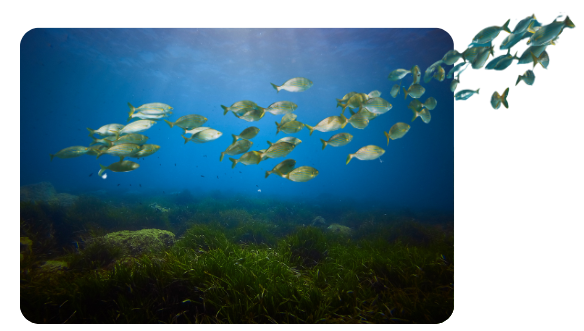
Marine ecosystems and species are under threat. PML harnesses advanced technologies to track and map biodiversity in support of marine protection and sustainable Ocean management.
Explore Biodiversity Loss
Marine Pollution
Plastics. Chemicals. Light. Noise. The Ocean is absorbing it all. PML examines the sources of pollution and its impacts in order to inform actions and solutions.
Explore Marine PollutionRecognition and excellence
Advancing the frontiers of knowledge
Connecting science
We make marine science accessible and actionable, co-creating transformative ocean practices where both people and nature thrive.
Scientific leadership
Our experts lead international committees, advise government policy and author landmark studies that define marine science standards globally.
Policy impact
Our science informs policy from regional to global scale, including key roles in writing Intergovernmental Panel on Climate Change reports.
Award-winning research
Global recognition for scientific excellence includes MBE honours, the prestigious Volvo Environment Prize and the A.G. Huntsman Award for Marine Sciences.
Our history
Key milestones since 1988
Plymouth Marine Laboratory was formed in 1988 by the Natural Environment Research Council. Since then, we have grown into an internationally-recognised independent research charity, delivering science that has shaped global policy, informed landmark legislation and advanced our understanding of the ocean.
 1988
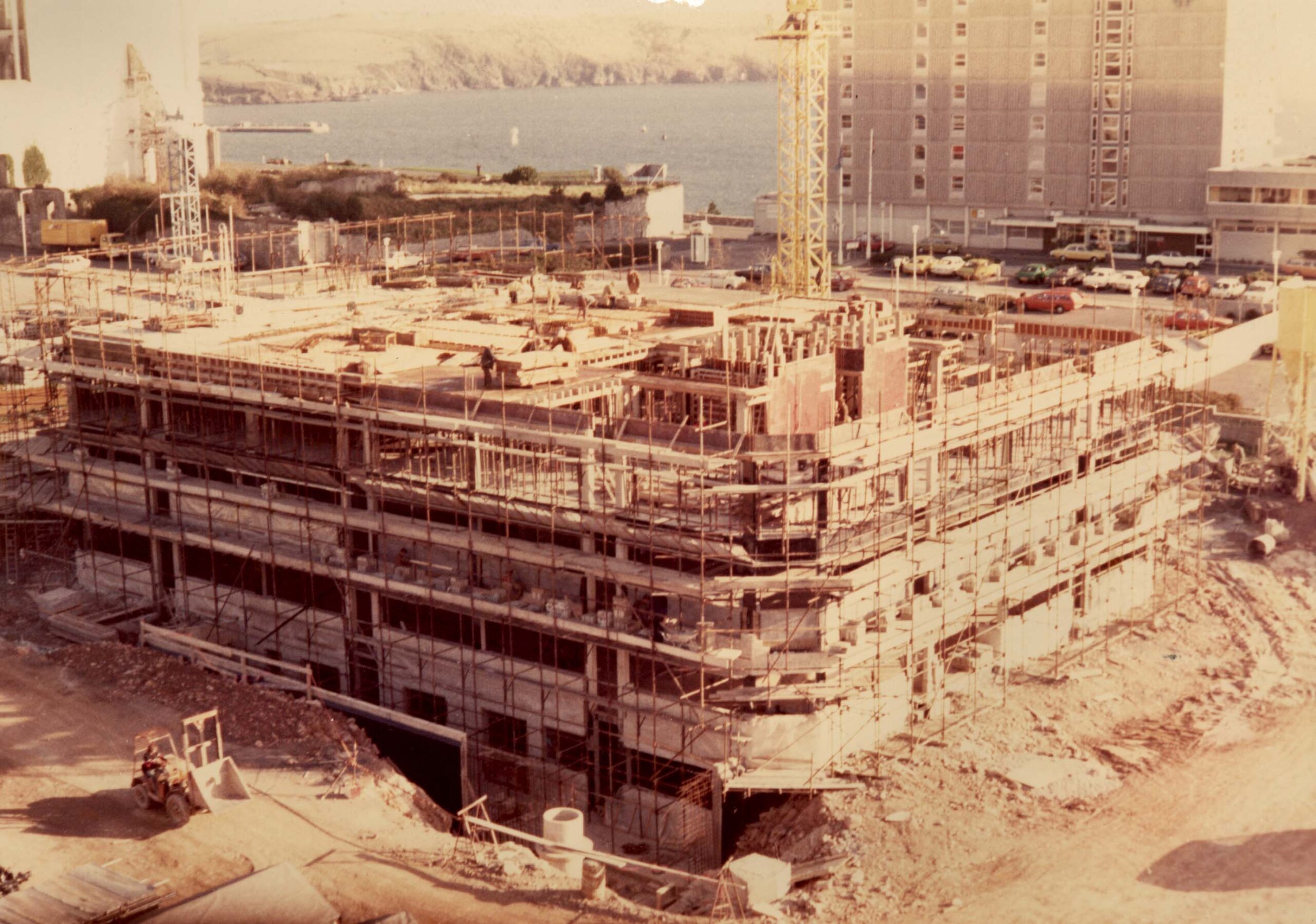
1988
Plymouth Marine Laboratory founded
PML was formed by the Natural Environment Research Council following the recommendations of a House of Lords report, drawing together elements of the Laboratory of the Marine Biological Association and the NERC Institute for Marine Environmental Research.
 2002
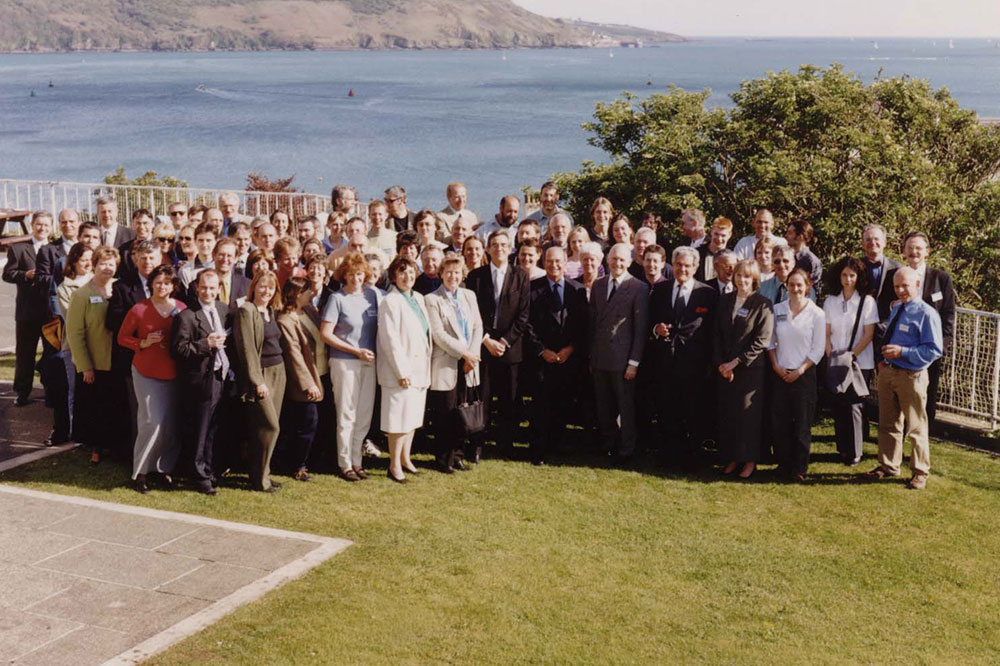
2002
PML becomes independent
PML became an independent company with charitable status. PML Applications Ltd was also established as a wholly-owned commercial subsidiary, with all profits gifted back to PML to provide an additional income stream for the organisation.
 2003
2003
Ocean acidification - a term first coined
PML's work was pivotal in monitoring and communicating ocean acidification from the very beginning, raising awareness and inspiring action at the highest political levels since the term was first introduced.
 2011
2011
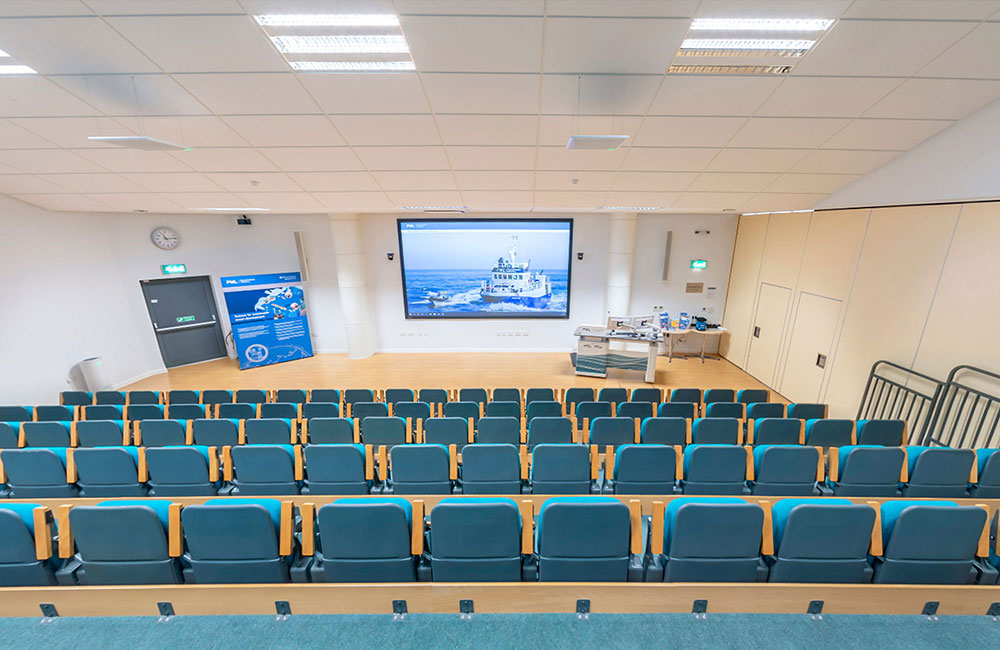
Marine Matters Centre opens
The Marine Matters Centre lecture theatre opened in October 2011, partially funded by a generous grant from the Kirby Laing Foundation. The MMC has since hosted numerous large international events and provides a dedicated space for seminars, meetings and public engagement.
 2015
2015
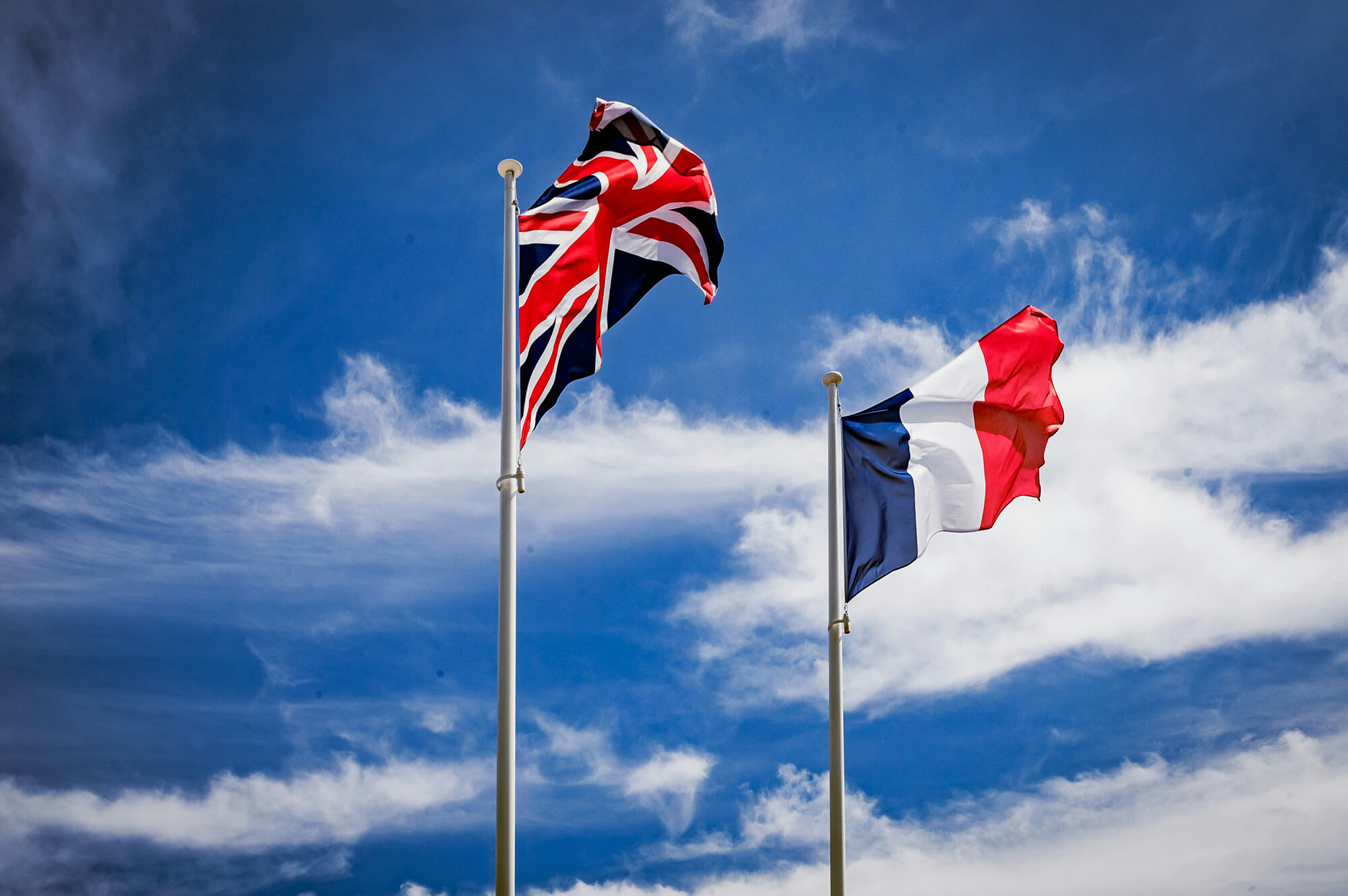
Championing the ocean at the Paris Agreement
PML scientists attended COP21 in Paris and contributed to the wider ocean science community's efforts to see the ocean recognised within the landmark UN Paris Agreement. PML experts have attended every COP since 2009.
 2016
2016
James Cameron joins as PML's first patron
Explorer, environmentalist and film-maker James Cameron became PML's first patron in 2016, backing PML's mission to advance marine science for the benefit of nature and society.
 2018
2018
UK microbead ban informed by PML research
PML was the first to evidence that microplastics are ingested by zooplankton. Our scientists provided written evidence to the Environmental Audit Committee, whose report recommended the microbead ban enacted by the UK government in 2018.
 2025
2025
Strategy 2025–2030 launched
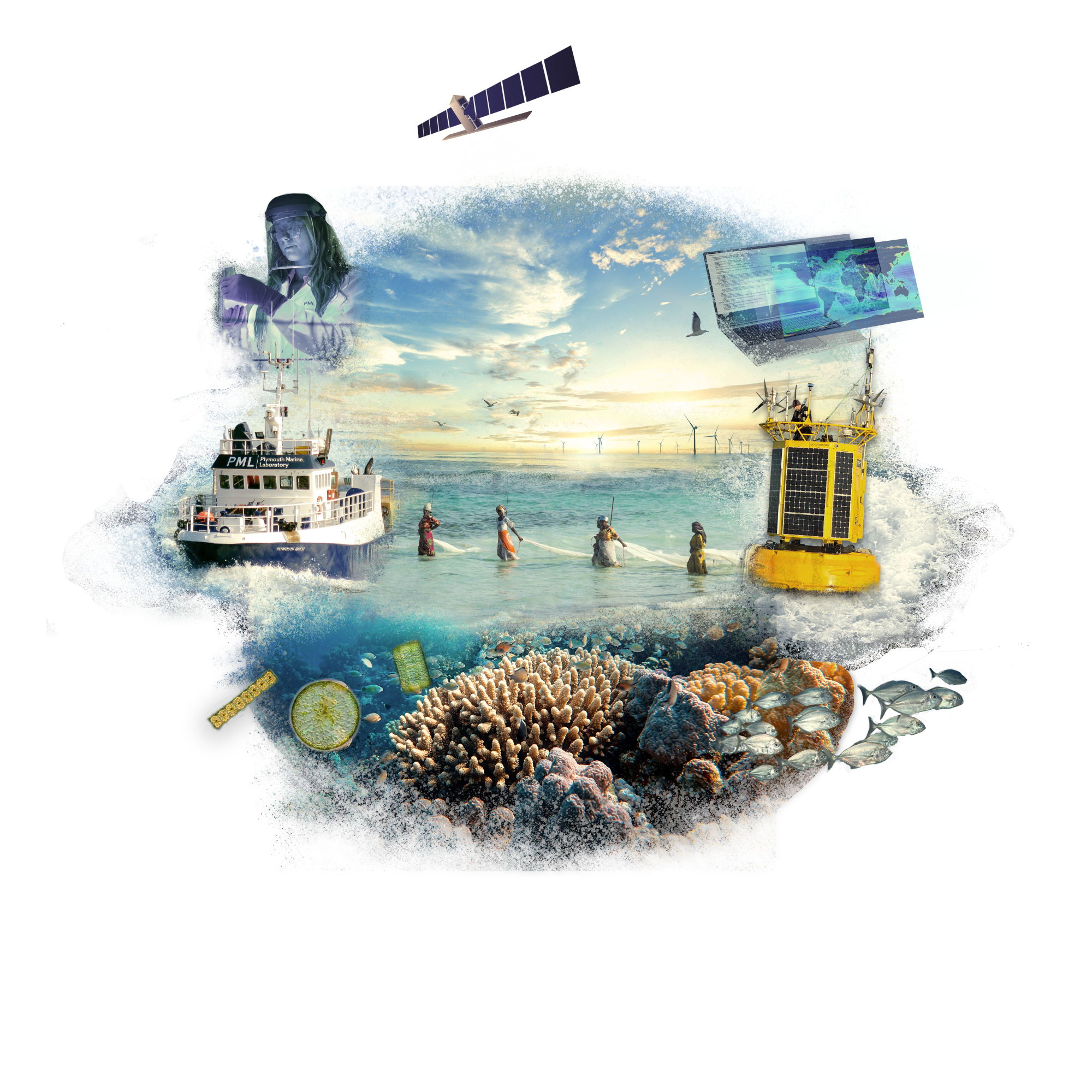
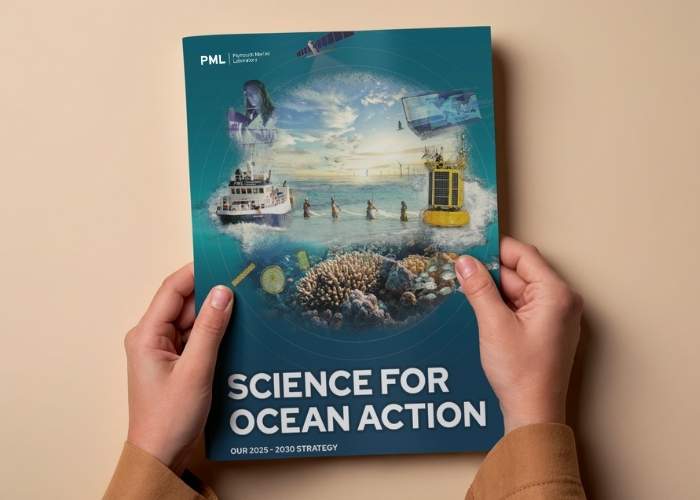
Science for Ocean Action, our most ambitious strategy yet, structured around three ocean challenges and four strategic priorities, with a commitment to net zero by 2040.
Our people
The faces of Plymouth Marine Laboratory
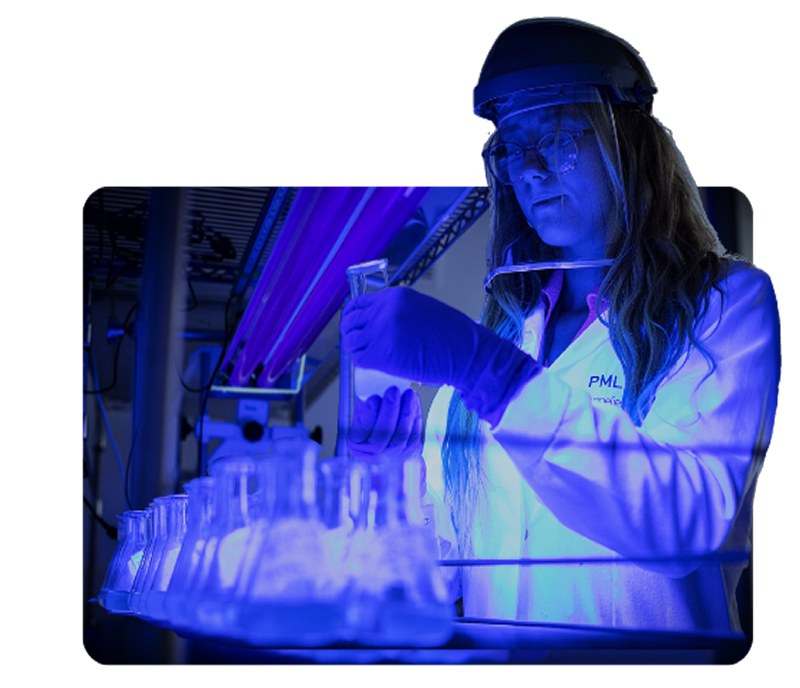
Our interdisciplinary team of scientists, technologists and operational staff share a single purpose: to advance marine science for the benefit of nature and society. Research integrity underpins everything we do, as does a culture in which people can flourish.

"My scientific interests surround environmental change impacts on marine ecosystems ranging from marine biodiversity, biogeographical and phenological changes to whole ecosystem regime shifts at the oceanic scale"

"I have always been fascinated by our natural environment and have spent my lifetime poking around in watery systems to observe the inhabitants within. Working at PML fosters this passion and enables me to discover and communicate how biological, chemical and physical systems interact in pristine and impacted marine ecosystems."

"PML’s research of the marine environment and those who interact with or depend on this environment is relevant to our daily lives in so many ways, informing policy and incredibly innovative. On top of that the people who work here are great colleagues and from all over the world, who would not enjoy working here?"

"I am motivated by the challenge of applying my innovations to achieve impact in conservation and industry, and particularly enjoy this when my work crosses disciplines, for example physical oceanography, computer vision and marine ecology. I am proud that my research on ocean fronts has informed the designation of several marine protected areas around the UK and beyond, and that our satellite algorithms help to warn salmon farmers about harmful algal blooms."

"I am fascinated by the marine environment – the extraordinarily diverse forms of life it supports and the vital role it plays in shaping human well-being. I am motivated by a strong desire to safeguard ocean health, so future generations can enjoy all it has to offer."

"Every day at PML brings me the opportunity to make a real impact on the health of our oceans and ultimately our planet. It’s a place where cutting-edge science meets a sense of purpose, and collaborating with passionate colleagues who share this vision creates an energizing and fulfilling environment."
Our funders
Enabling our Global Marine Research


As a charitable research organisation, we depend on the generosity of funders, philanthropic trusts, foundations, companies, and individuals who share our commitment to ocean science and environmental protection. Their investment enables us to pursue groundbreaking research that addresses the most pressing marine challenges of our time.
From research to real-world solutions

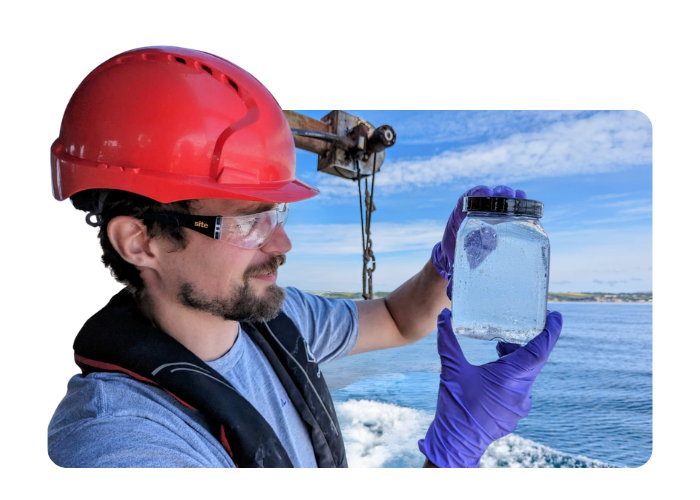
Our commercial subsidiary is an environmental consultancy, providing scientific research, consulting and training to commercial and environmental organisations. PML Applications specialises in reducing clients' marine environmental impact, bringing together world-class science and practical application. All profits are reinvested directly into our research.
PML Applications WebsiteDocuments and downloads
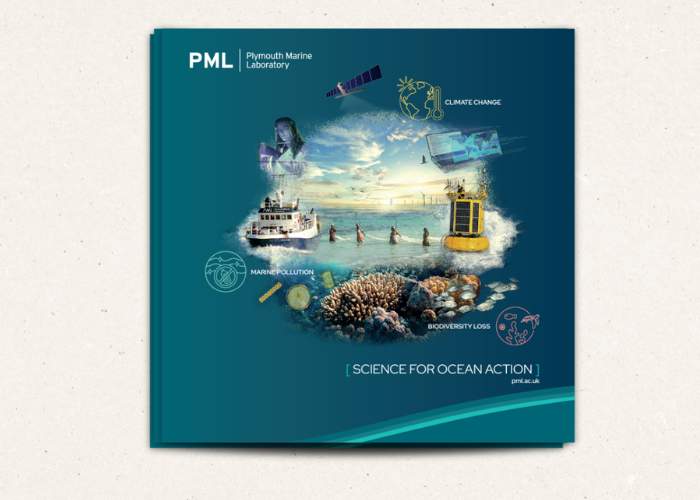
Strategy, report and brochure
Our accreditations
Certified for inclusivity, sustainability and safety

Investors in Diversity Silver
We are proud to hold an Investors in Diversity Silver Award for our work on inclusivity within the organisation.

ISO Certified
We hold a number of ISO certifications across quality, environmental and health and safety management.
Subscribe to our newsletter
Stay up to date
Subscribe to our newsletter for information on our latest research, upcoming events and seminars and more.
Join our newsletter