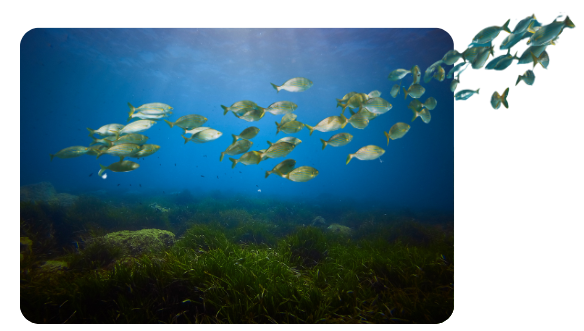
We combine in-situ observations, satellite remote sensing, controlled experiments and complex computer models to explore the diversity and productivity of planktonic communities, in order to understand how these communities are structured and sustained, appreciate the goods and services they provide and predict the consequences of human impacts, including climate change.
Specifically, we track the way in which the planktonic biomass generated by primary and secondary production fuels marine foodwebs and ultimately underpin higher trophic level biodiversity, including the fish and shellfish harvested and consumed by millions of humans.
At PML we host the Western Channel Observatory which boasts over 30 years of weekly phytoplankton and zooplankton observations. We use these globally important time series to investigate the critical role plankton play in controlling the World’s climate and help mitigate the rise of atmospheric CO2 and the impacts of climate change by fixing and sequestering carbon to the deep ocean.
The annual exploration of the Atlantic Ocean from 50°N to 50°S along the Atlantic Meridional Transect allows us to scale up our local observations to understand climate change impacts at an ocean basin scale. In the Southern Ocean we use time series data to explore the impacts of climate change on Krill, a small crustacean that underpins important Antarctic ecosystems and fisheries.
Using a combination of traditional and cutting-edge new technology, such as satellite observations, automated image recognition and eDNA, we also identify and quantify planktonic species that have a detrimental effect on other marine organisms and on humans. By producing toxins or reducing oxygen levels in seawater, these plankton can occur in large numbers forming Harmful Algal Blooms, known as HABs.
We engage in international networks, such as ICES and OSPAR, to translate our plankton knowledge and expertise into the information and indicators that are needed by stakeholders and policy makers. We use high level international events, such as UNFCCC COP, to provide the environmental evidence needed to support global agreements.
-
 Aquatic Pollution from Light and Anthropogenic Noise: Management of Impacts on Biodiversity (AquaPLAN)
AquaPLAN is a four-year EU Horizon Europe project quantifying the combined impacts of artificial light at night (ALAN) and anthropogenic…
-
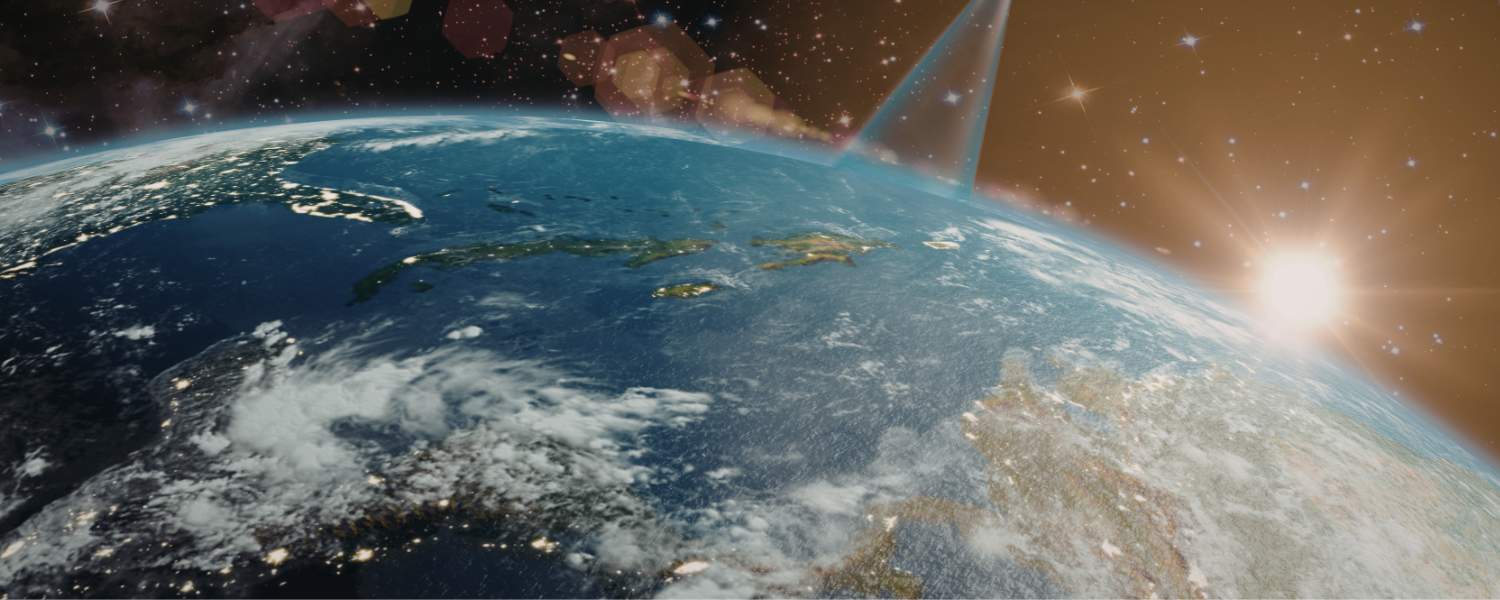 PlanktoSpace
The PlanktoSpace project is an ESA‑supported initiative that aims to transform our ability to monitor ocean life from space by…
-
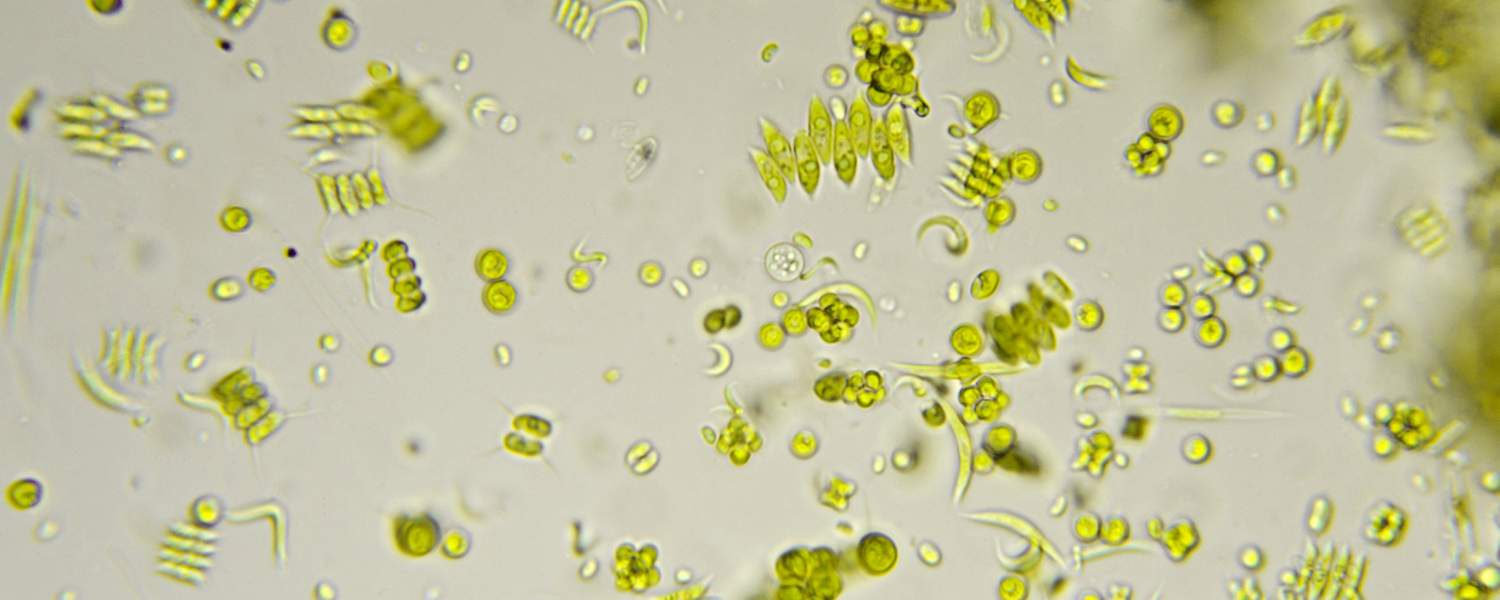 Phytoplankton biomass and diversity Climate Change Initiative (PHYTO-CCI)
The PHYTO‑CCI (Phytoplankton Biomass and Diversity Climate Change Initiative) project is part of the European Space Agency’s Climate Change Initiative…
-
 Phytodiverse: Advancing Ocean Biodiversity Science from Space
Phytodiverse will advance the science of phytoplankton diversity algorithms for Essential Biodiversity Variables (EBV) and derived indicators from space. The…
-
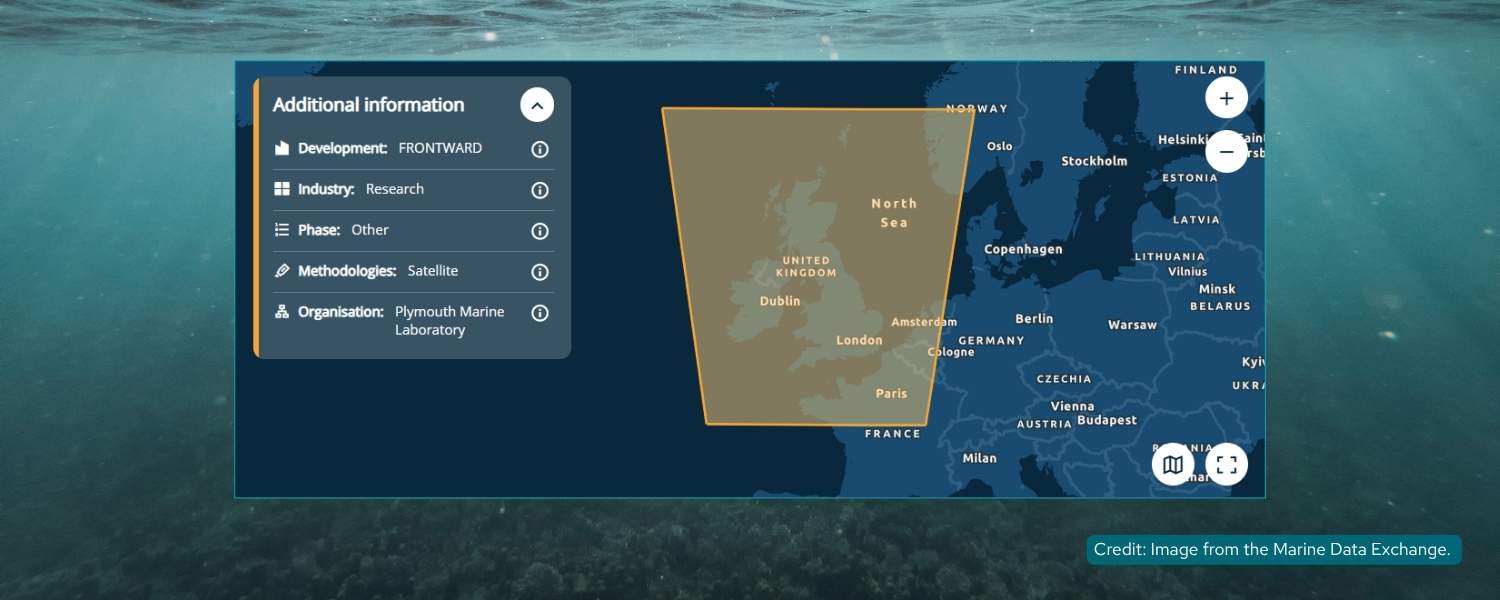 Fronts for Marine Wildlife Assessment for Renewable Developments (FRONTWARD)
Fronts for Marine Wildlife Assessment for Renewable Developments (FRONTWARD) aims to enhance our understanding of the relationship between ocean fronts…
-
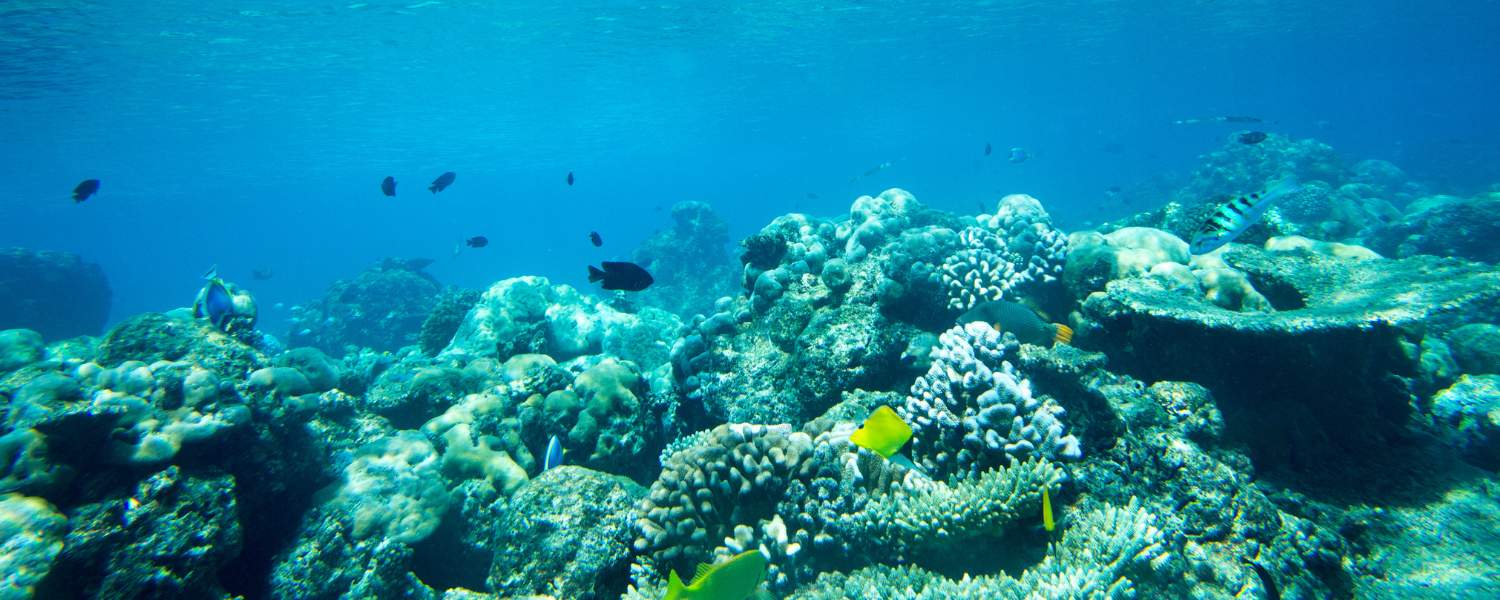 Tipping Points and Abrupt Changes in Marine Ecosystems (TIME)
The Tipping points and abrupt changes In the Marine Ecosystem (TIME) project is developing new ways to identify early warning…
-
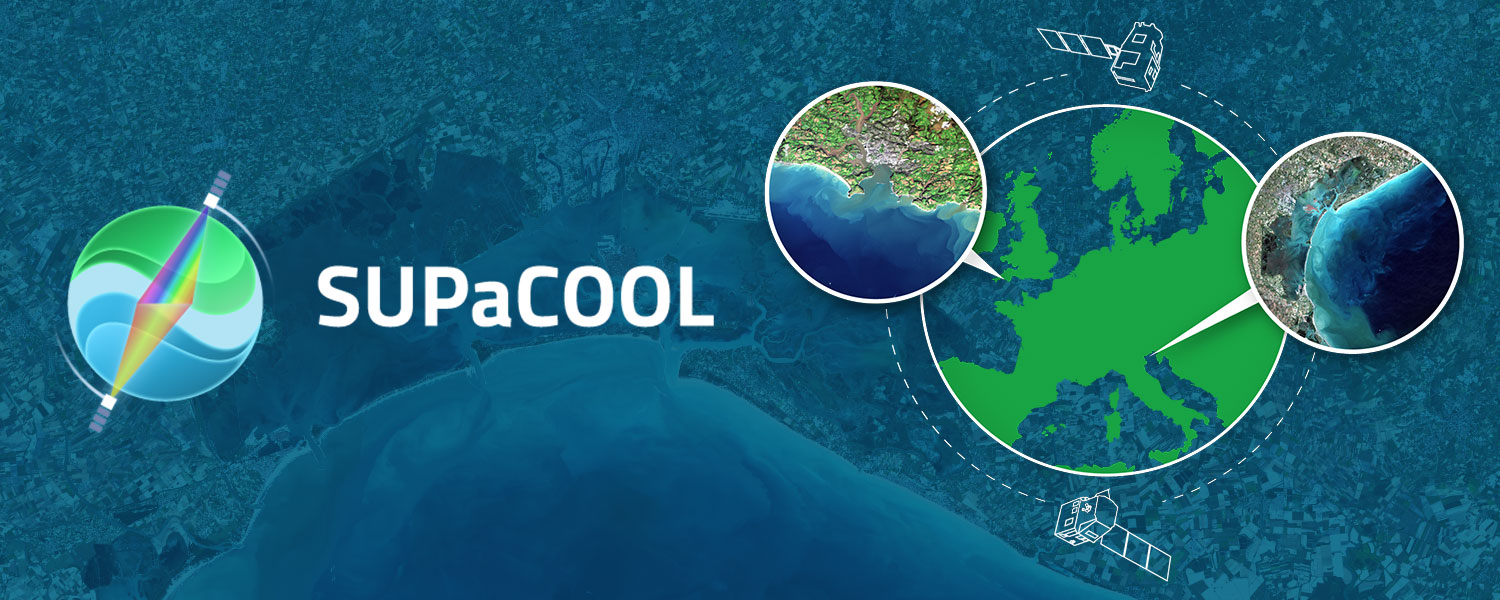 Sentinel User Preparation and organic Carbon from earth Observation between Ocean and Land (SUPaCOOL)
Preparing users for next-generation CHIME and LSTM satellite missions to monitor organic carbon flux in coastal waters and river plumes-closing…
-
 Valuing Marine Artificial Structures (VALMAS)
VALMAS is a £5.6 million UK research programme that examines how marine artificial structures, such as offshore wind turbines and…
-
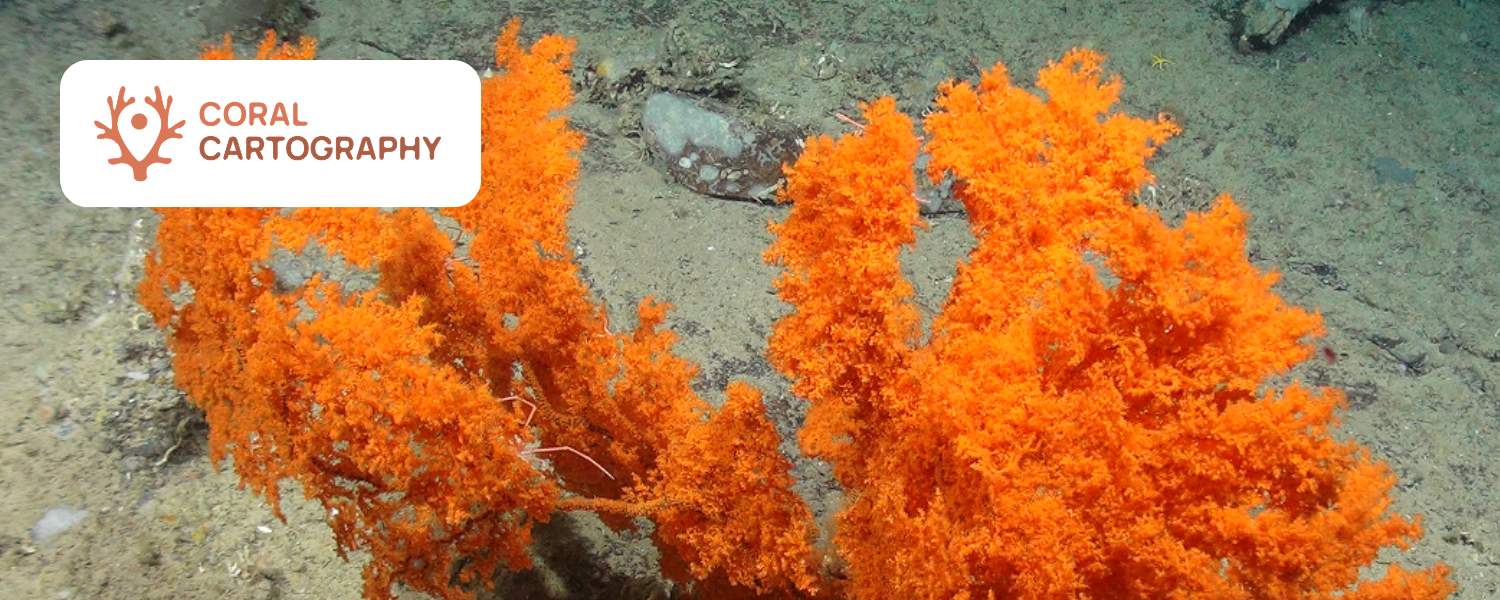 Coral Cartography: Mapping Atlantic Cold-Water Corals to support Area Based Management
Coral Cartography uses deep-sea imagery to map the distribution and density of cold-water corals across the Atlantic Ocean. By combining…
-
 DEcentrAlised Learning for automated image analysis and biodiversity monitoring (DEAL)
DEAL will create an application that allows owners of biological image data to participate in decentralised, collaborative networks, where they…
- Flow cytometry
- FlowCAM
- eDNA
- Satellite remote sensing
- Biogases
- Modelling